
Europe is widely known for its rich history, cultural landmarks, and scenic landscapes, attracting millions of leisure tourists each year. However, an often-overlooked driver of the continent’s economic growth is business tourism a sector encompassing corporate travel, conferences, trade shows, and incentive trips. This segment not only generates substantial revenue but also fosters innovation, international collaboration, and long-term economic benefits across multiple industries.
The Scale of Business Tourism in Europe
Business tourism, also called MICE tourism (Meetings, Incentives, Conferences, and Exhibitions), has grown steadily in Europe over the past decade. Cities like Paris, London, Frankfurt, Amsterdam, and Barcelona have become premier hubs for international conferences, trade fairs, and corporate meetings. According to the European Cities Marketing (ECM) reports, business tourism accounts for a significant portion of hotel occupancy and contributes billions of euros annually to local economies.
Economic Impact
- Revenue Generation for Local Businesses:
Business tourists spend on accommodations, transportation, dining, and entertainment. Unlike typical leisure tourists, corporate travelers often have higher budgets and longer stays, resulting in increased revenue for hotels, restaurants, and local service providers. - Job Creation:
The business tourism sector creates employment opportunities across hospitality, event management, transportation, and tourism services. Large-scale trade fairs and conferences often require temporary staffing, while convention centers sustain long-term employment. - Promotion of Regional Development:
European cities leverage business tourism to promote urban development and infrastructure improvements. The construction of modern convention centers, enhanced public transport, and luxury hotels often accompany the growth of the sector, indirectly benefiting leisure tourism as well. - Global Networking and Innovation:
Conferences and international trade shows facilitate knowledge exchange, partnerships, and business expansion. European cities hosting these events often see increased foreign investment and technological collaboration, reinforcing their positions as global business hubs.
Key European Destinations for Business Tourism
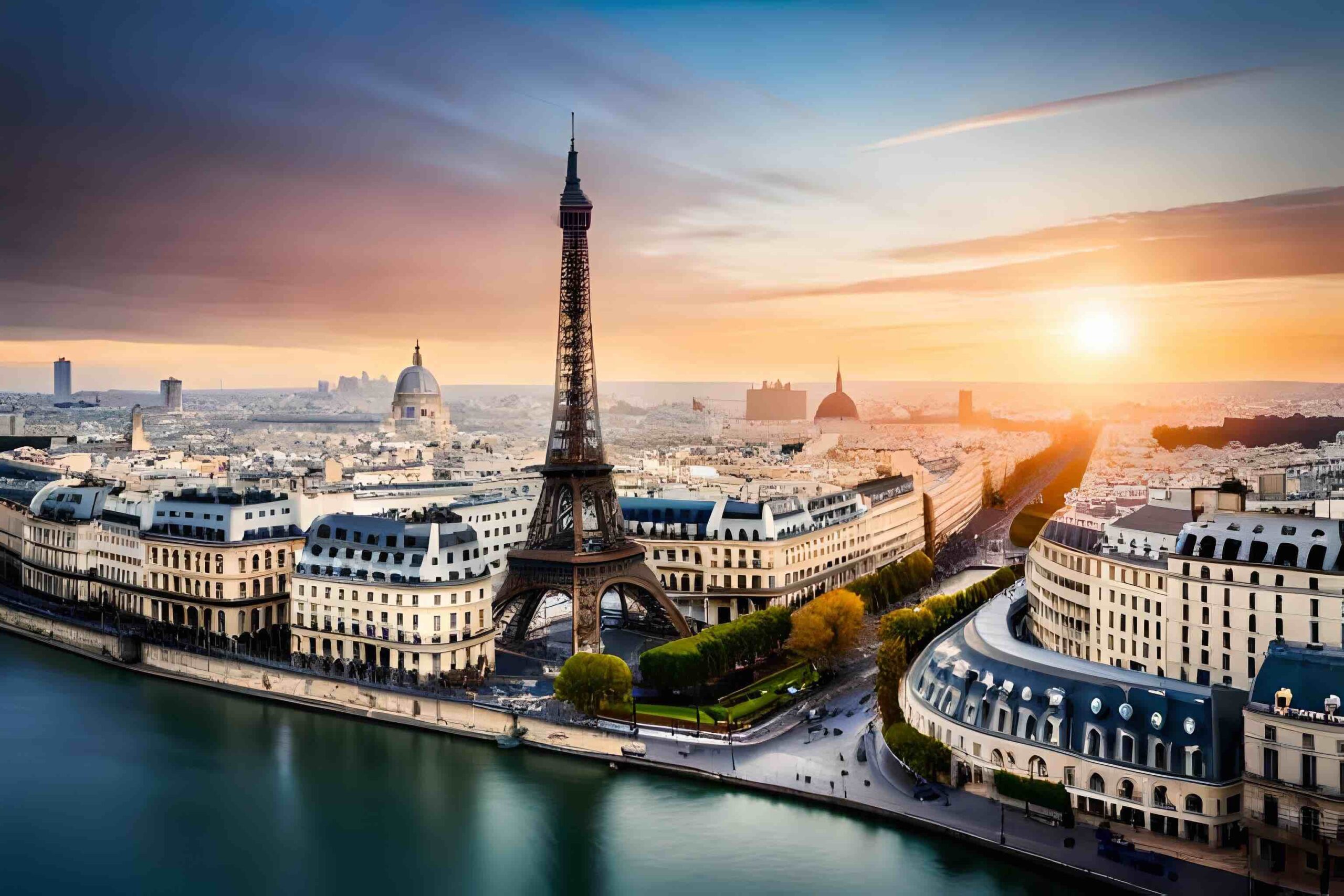
- Paris, France: Known for its world-class convention centers like Paris Expo Porte de Versailles, the city attracts major trade fairs in fashion, technology, and healthcare.
- Frankfurt, Germany: Home to Messe Frankfurt, one of the largest trade fair venues globally, the city benefits from significant international business traffic.
- Barcelona, Spain: The Fira de Barcelona hosts leading technology, automotive, and medical conventions, supporting local SMEs and hospitality sectors.
- London, UK: With iconic venues like ExCeL London and The QEII Centre, London remains a prime destination for multinational conferences.
- Amsterdam, Netherlands: Offers an efficient transport network and innovative venues like RAI Amsterdam, catering to corporate meetings and tech expos.
Trends Driving Growth in Business Tourism
- Hybrid and Virtual Conferences: The rise of hybrid events has expanded the reach of European conferences, attracting global participants while maintaining in-person engagement.
- Sustainable Business Travel: European cities are increasingly adopting eco-friendly practices, from green hotels to carbon-neutral events, appealing to environmentally conscious organizations.
- Experiential Corporate Travel: Combining business with local cultural experiences has become popular, boosting tourism spending beyond conference venues.
Challenges and Opportunities
While the sector thrives, challenges such as rising travel costs, political uncertainties, and post-pandemic recovery remain. However, opportunities exist to enhance Europe’s competitiveness through digital integration, sustainable initiatives, and strategic promotion of secondary cities that offer unique experiences for business travelers.
Business tourism is more than just corporate trips and conferences; it is a powerful economic engine for Europe. By generating revenue, creating jobs, promoting urban development, and facilitating global collaboration, it strengthens both local and international economies. As Europe continues to innovate in event hosting, hybrid conferencing, and sustainable travel, business tourism will remain a critical driver of economic growth, complementing the continent’s celebrated leisure tourism industry.
Read more on Travels On Click:
Cycling Through Europe: Best Routes for Pedal-Powered Exploration
Exploring Ancient Castles and Palaces in Europe: A Historical Tour
Private Yacht Charters and River Cruises: Ultimate Luxury in Europe