
Asia is a continent of staggering diversity, where centuries of traditions, religions, and art forms converge to create some of the world’s most vibrant festivals. From the luminous celebrations of India to Thailand’s water-soaked streets, these festivals offer travelers an immersive way to experience local culture, spirituality, and communal joy. Exploring Asia through its cultural festivals reveals not only its diversity but also the shared human spirit of celebration.
1. Diwali, India
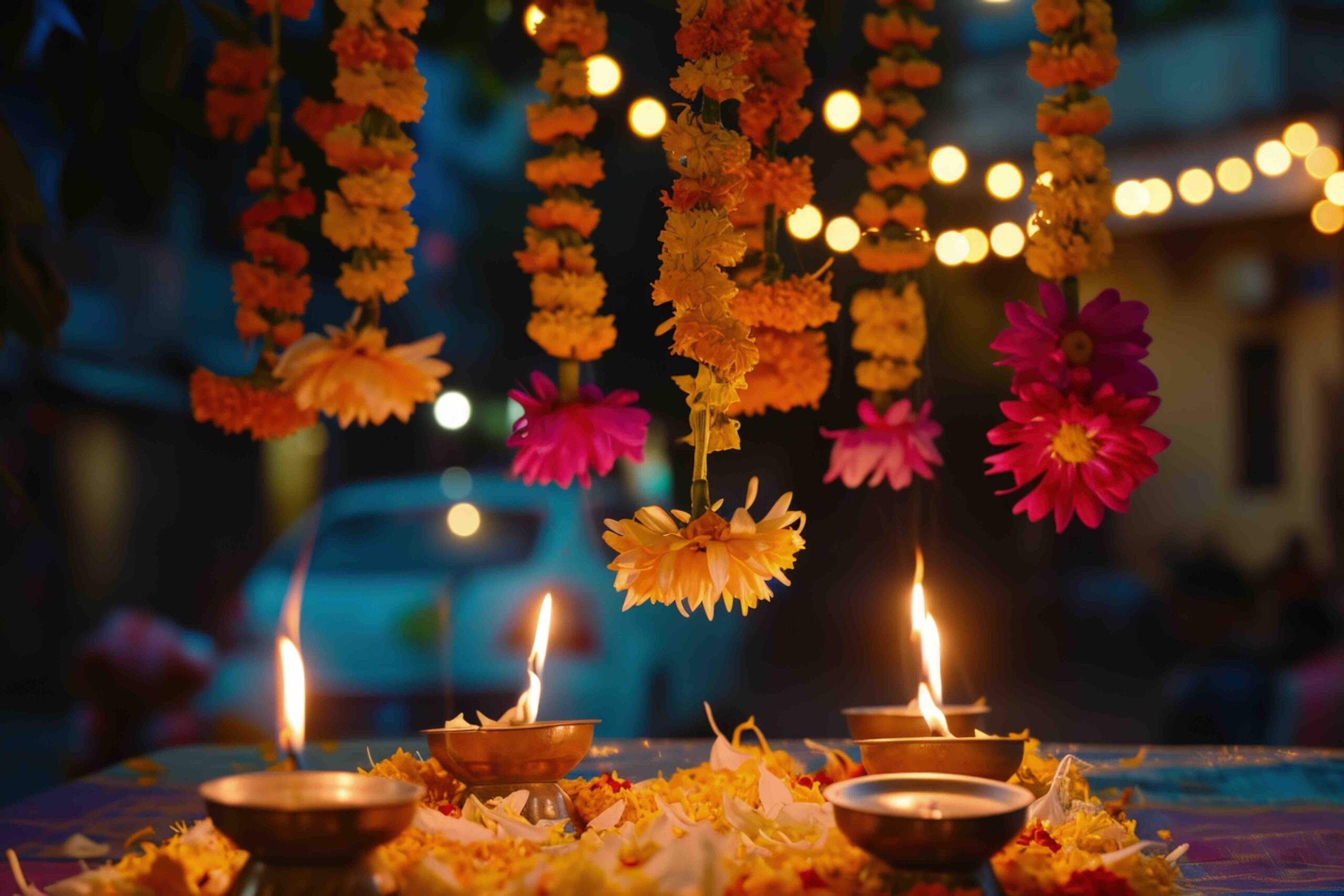
Known as the Festival of Lights, Diwali is celebrated across India, usually between October and November. It marks the victory of light over darkness and good over evil. Homes are decorated with oil lamps and colorful rangoli designs, and families gather to share sweets, exchange gifts, and light fireworks. Temples host prayers, and cities like Jaipur, Varanasi, and Delhi come alive with spectacular illumination. Diwali offers travelers a glimpse into India’s religious traditions, familial bonds, and communal joy.
2. Songkran, Thailand
Songkran, the Thai New Year, is celebrated in April with nationwide water fights, temple visits, and family gatherings. Traditionally, the festival involved sprinkling water to cleanse and bless one another for the year ahead. Today, it’s a vibrant, fun-filled event with locals and tourists engaging in playful water battles on the streets of Bangkok, Chiang Mai, and other cities. Songkran highlights Thai customs, hospitality, and the importance of renewal and respect for elders.
3. Lunar New Year, Across Asia
Celebrated in countries such as China, Vietnam (Tet), South Korea (Seollal), and Singapore, the Lunar New Year marks the beginning of the lunar calendar. Festivities include dragon and lion dances, fireworks, family reunions, and traditional foods like dumplings or sticky rice cakes. Markets brim with red decorations symbolizing luck and prosperity. For travelers, the festival is a chance to witness centuries-old customs and partake in symbolic rituals of fortune and renewal.
4. Holi, India, and Nepal
Holi, the Festival of Colors, usually occurs in March and celebrates the arrival of spring and the triumph of good over evil. Participants throw vibrant powdered colors at one another, dance to music, and enjoy festive foods. The festival is inclusive, breaking social boundaries and inviting visitors to join in the jubilant chaos. Holi is not only visually spectacular but also culturally significant, symbolizing unity, forgiveness, and joy.
5. Chuseok, South Korea
Chuseok, often called Korean Thanksgiving, is celebrated in September or October. Families honor ancestors through rituals called Charye, sharing traditional foods like songpyeon (rice cakes). People visit ancestral hometowns, engage in folk games, and perform traditional dances. Chuseok offers travelers a window into Korea’s deep-rooted respect for family, heritage, and agricultural traditions.
6. Lantern Festival, Taiwan and China
Marking the end of Lunar New Year celebrations, the Lantern Festival is famous for its illuminated displays and sky lantern releases. Temples and riversides are adorned with lanterns featuring artistic designs, wishes, or prayers. In Taiwan, the Pingxi Sky Lantern Festival attracts thousands of visitors who release lanterns into the night sky, creating a breathtaking spectacle of light and hope.
7. Thaipusam, Malaysia and Singapore
Thaipusam is a Hindu festival celebrated by the Tamil community, honoring Lord Murugan. Devotees engage in acts of devotion, such as carrying kavadis (ornate structures) or performing piercing rituals, in a show of faith and endurance. The festival’s colorful processions, music, and spiritual intensity make it a profound cultural experience for travelers seeking insight into religious dedication and communal celebration.
Why Asia’s Festivals Matter
Asia’s festivals are not just events; they are living expressions of history, faith, and social cohesion. They preserve traditions, foster community bonds, and provide a window into the values and stories that shape each society. For travelers, participating in or observing these festivals offers an authentic, unforgettable connection to the continent’s rich cultural tapestry.
Travel Tips for Festival Exploration
- Plan according to dates: Many festivals follow lunar or regional calendars.
- Respect local customs: Dress appropriately, follow rituals respectfully, and ask before photographing ceremonies.
- Engage safely: In festivals like Songkran or Holi, protect electronics and wear comfortable clothing.
- Immerse yourself: Participate where appropriate—joining a dance, lighting a lantern, or sampling festive foods enriches the experience.
From India’s Diwali lamps to Thailand’s splashing streets during Songkran, Asia’s festivals are immersive gateways into local culture, spirituality, and human connection. Each celebration tells a story, whether of victory, renewal, gratitude, or devotion, inviting travelers to witness and partake in centuries of shared heritage. Experiencing Asia through its festivals transforms travel into a journey not only across geography but also across time, tradition, and collective memory.
Read more on Travels On Click:
Beyond the Taj Mahal: Exploring India’s Cultural Kaleidoscope
The Historical Richness of Japan